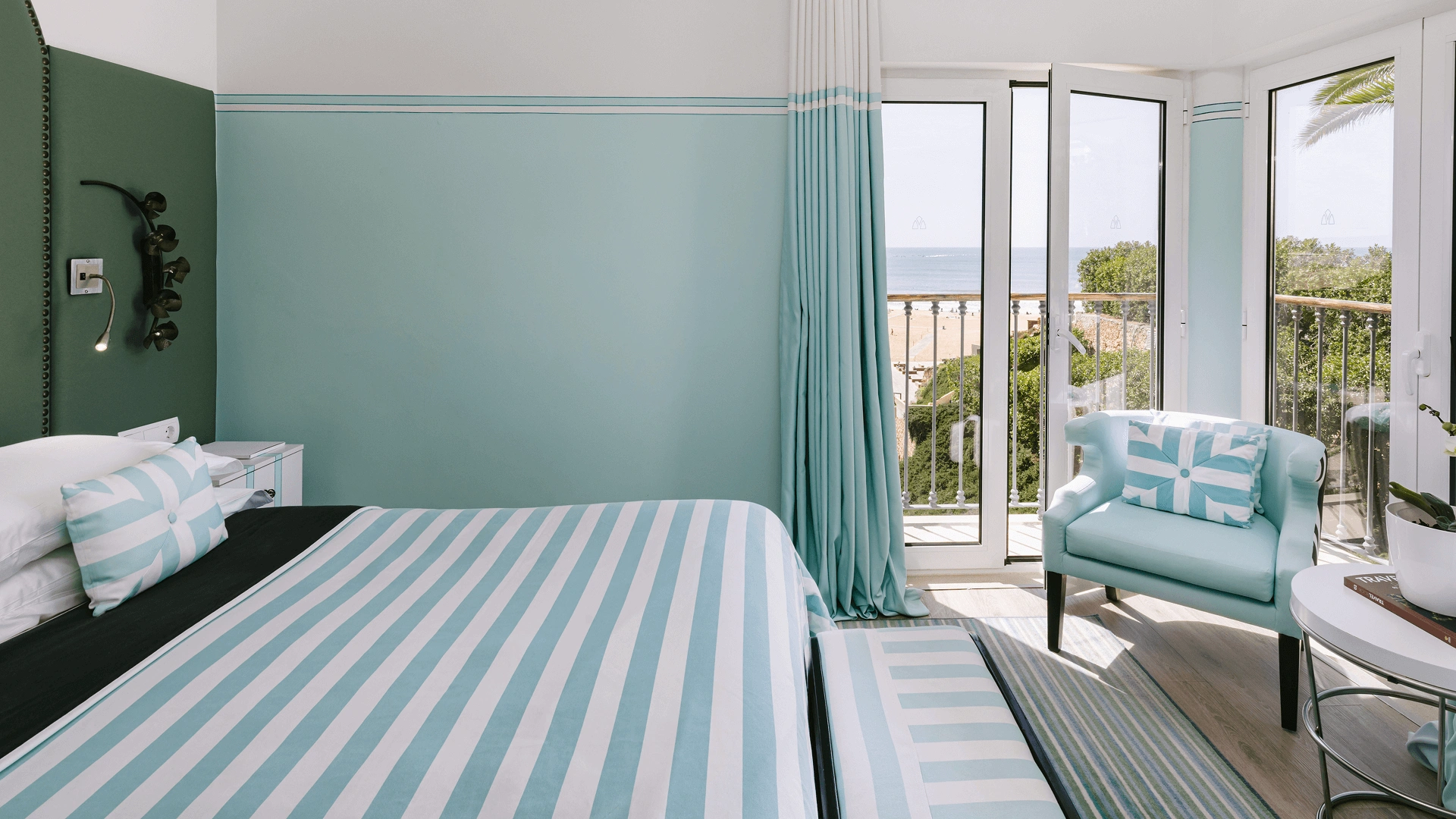
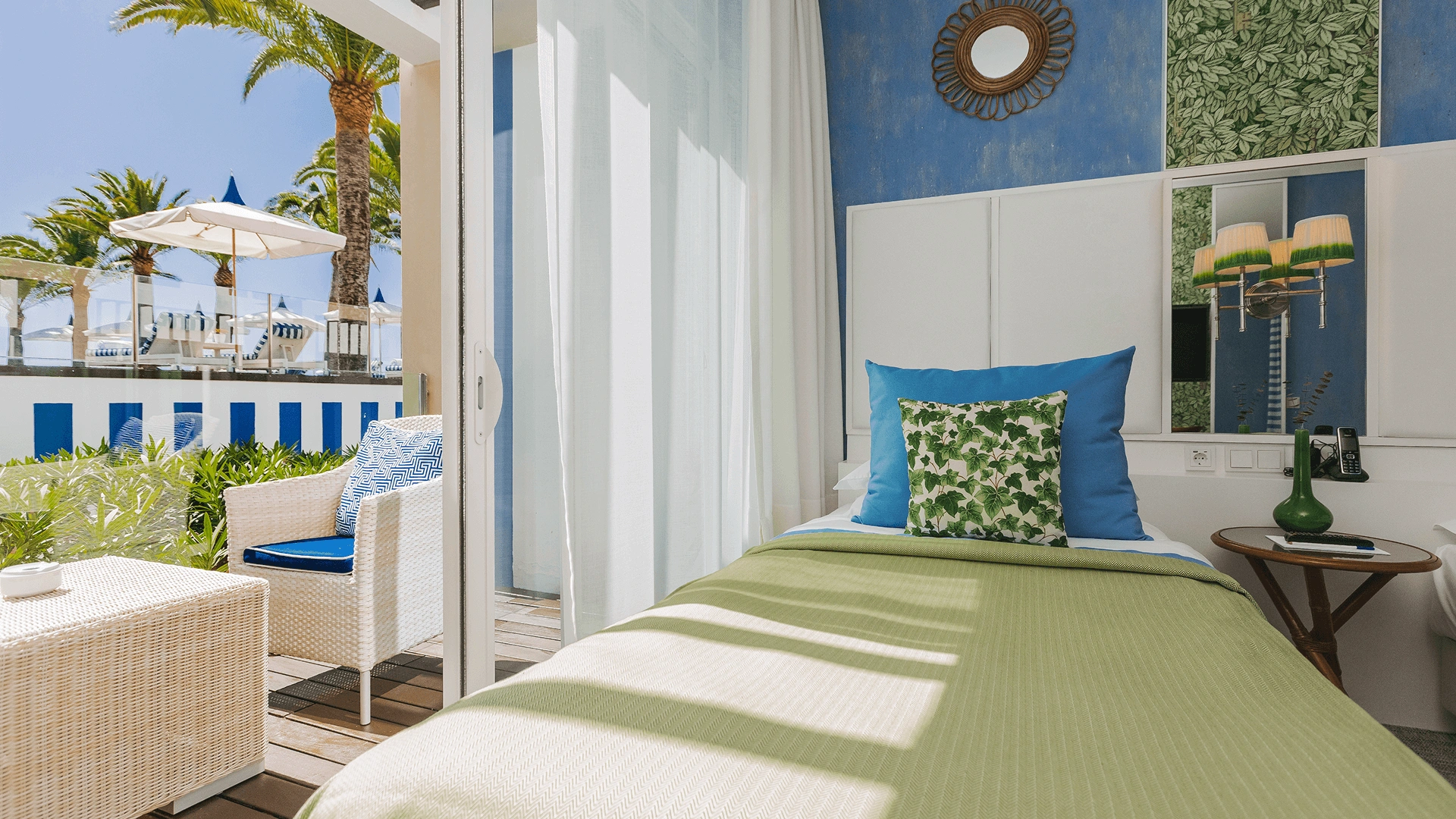
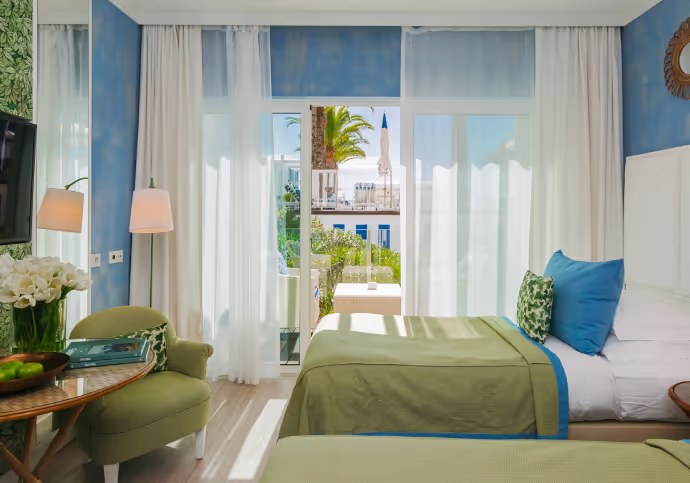
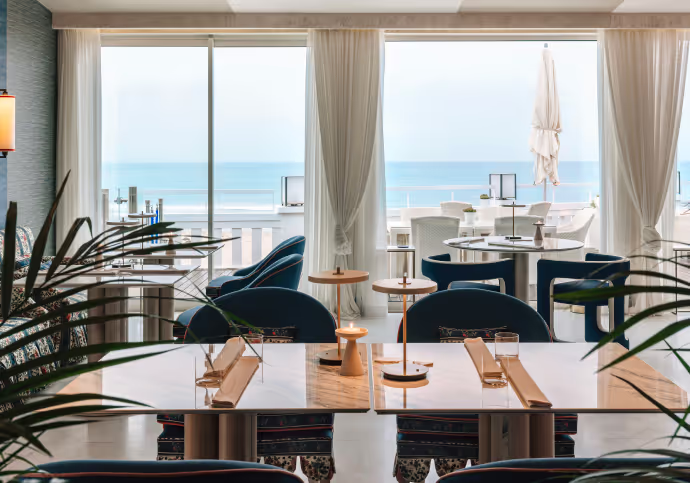
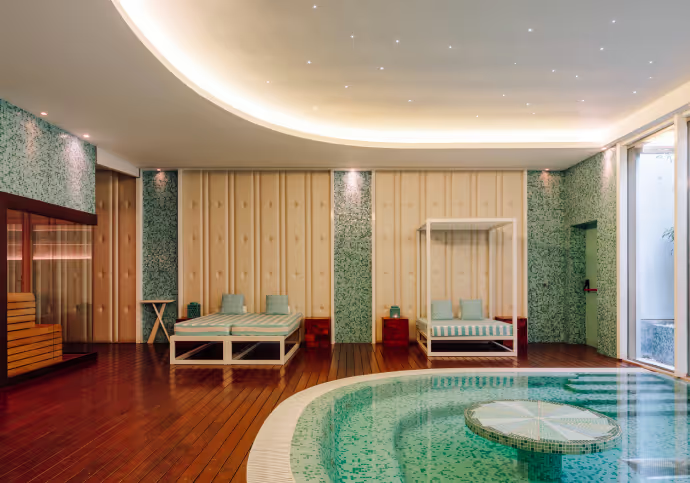
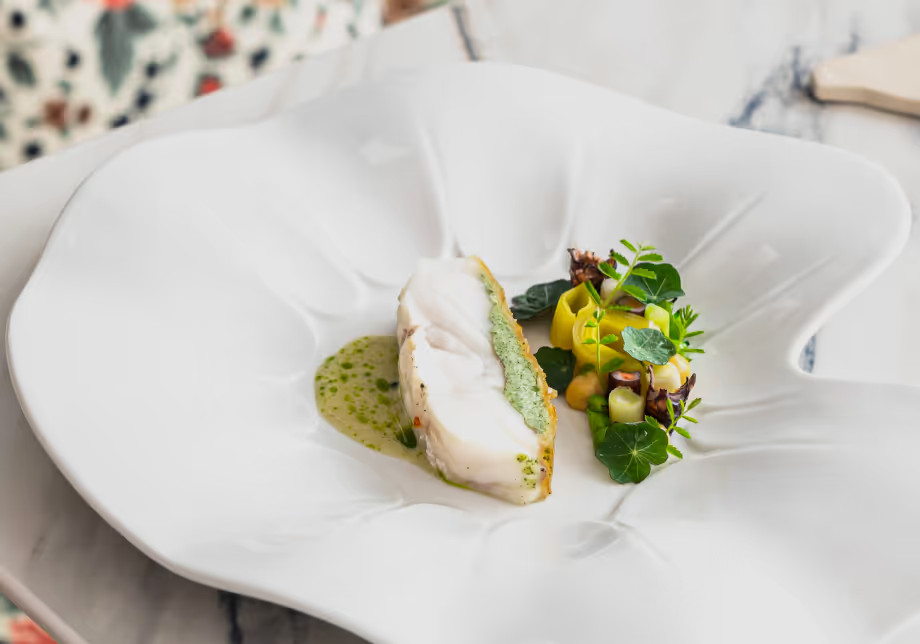
It was born as a home and it never ceased to be one.
The story unfolds little by little and this is how it is felt in every staircase, stained glass or tile. A fragment of time that continues to happen.
The hotel lives in the balance between what is preserved and what is renewed, between the precision of restoration and the unpredictability of the light that changes at the end of the afternoon.
exclusivity
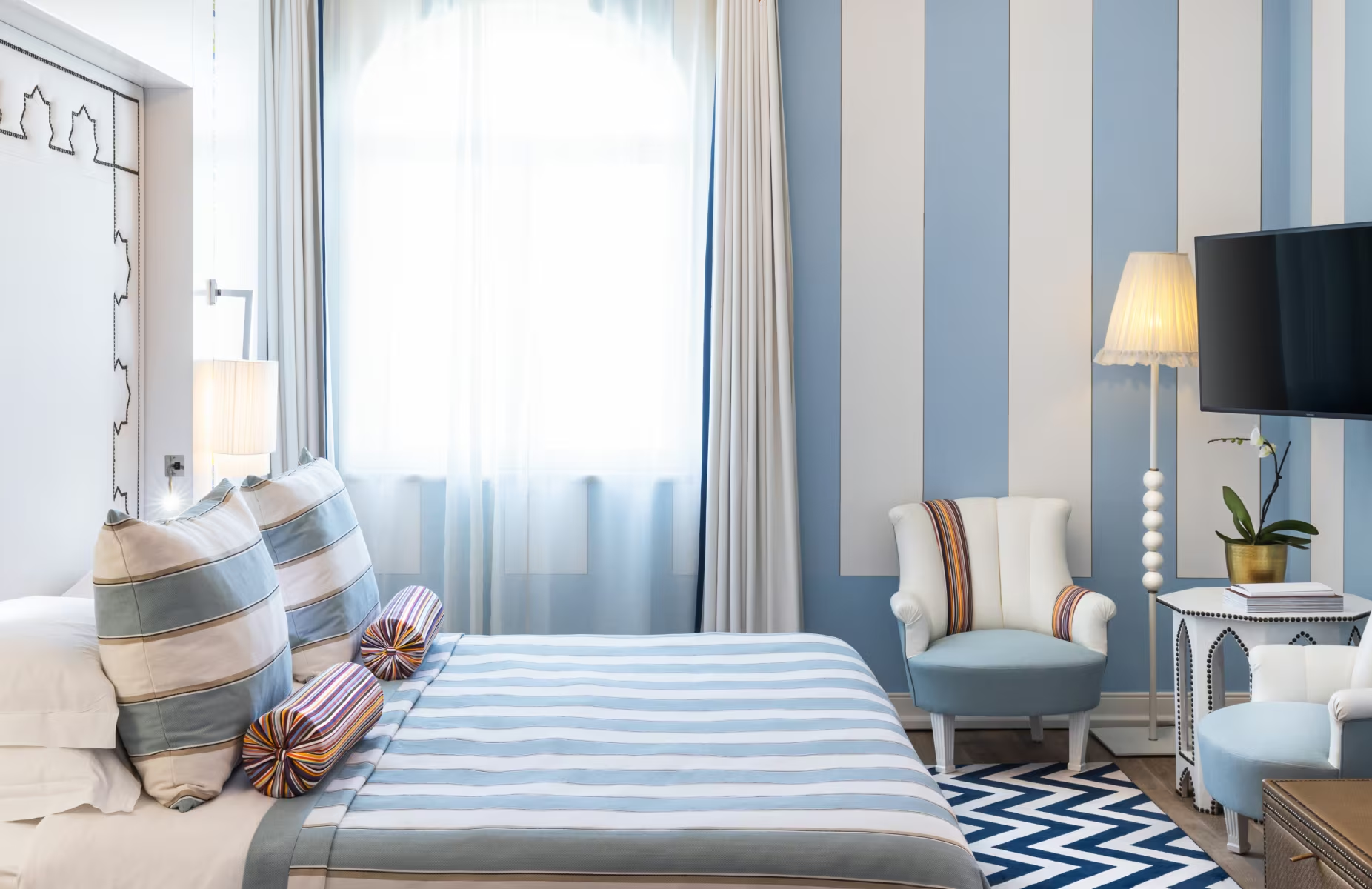
comfort
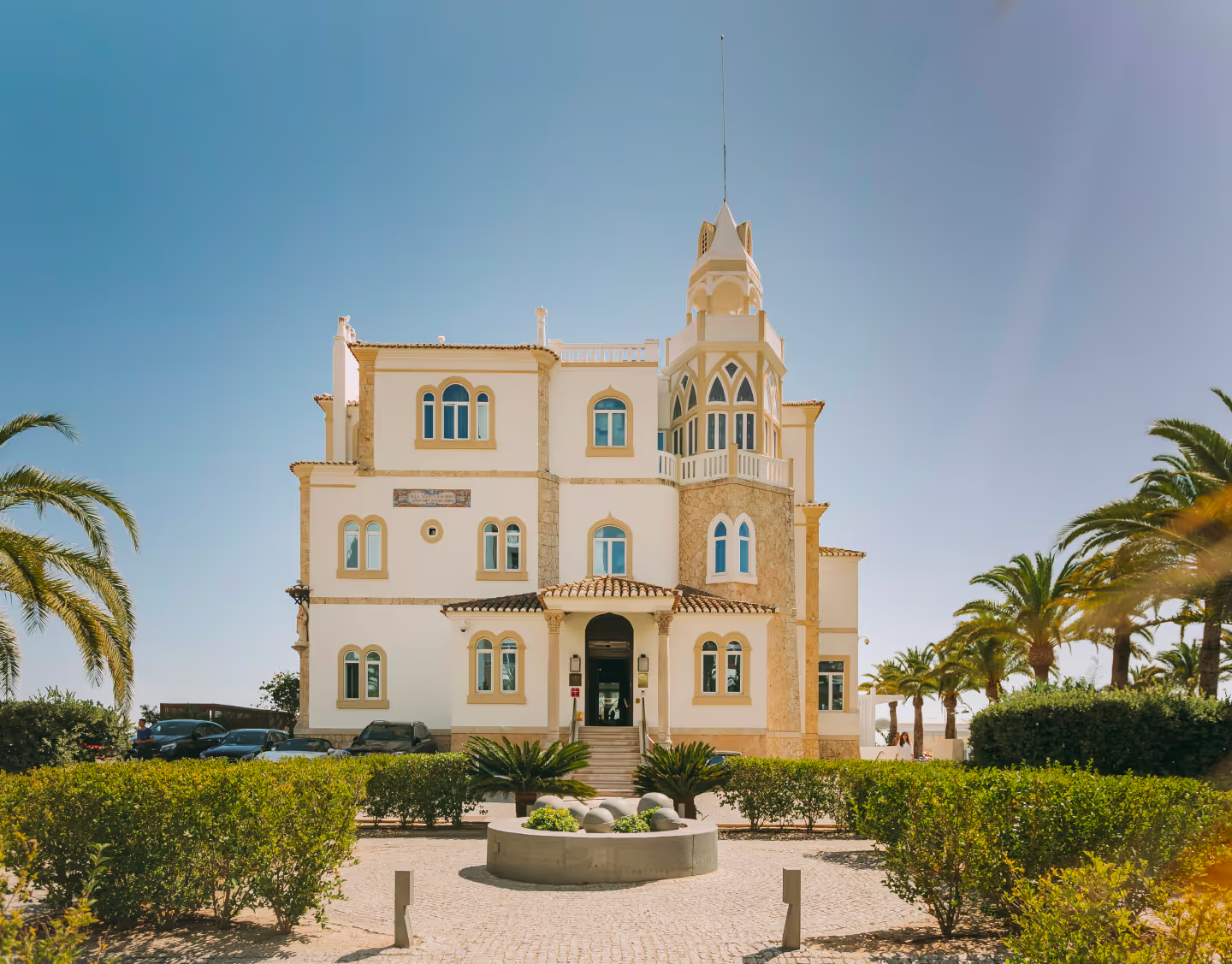
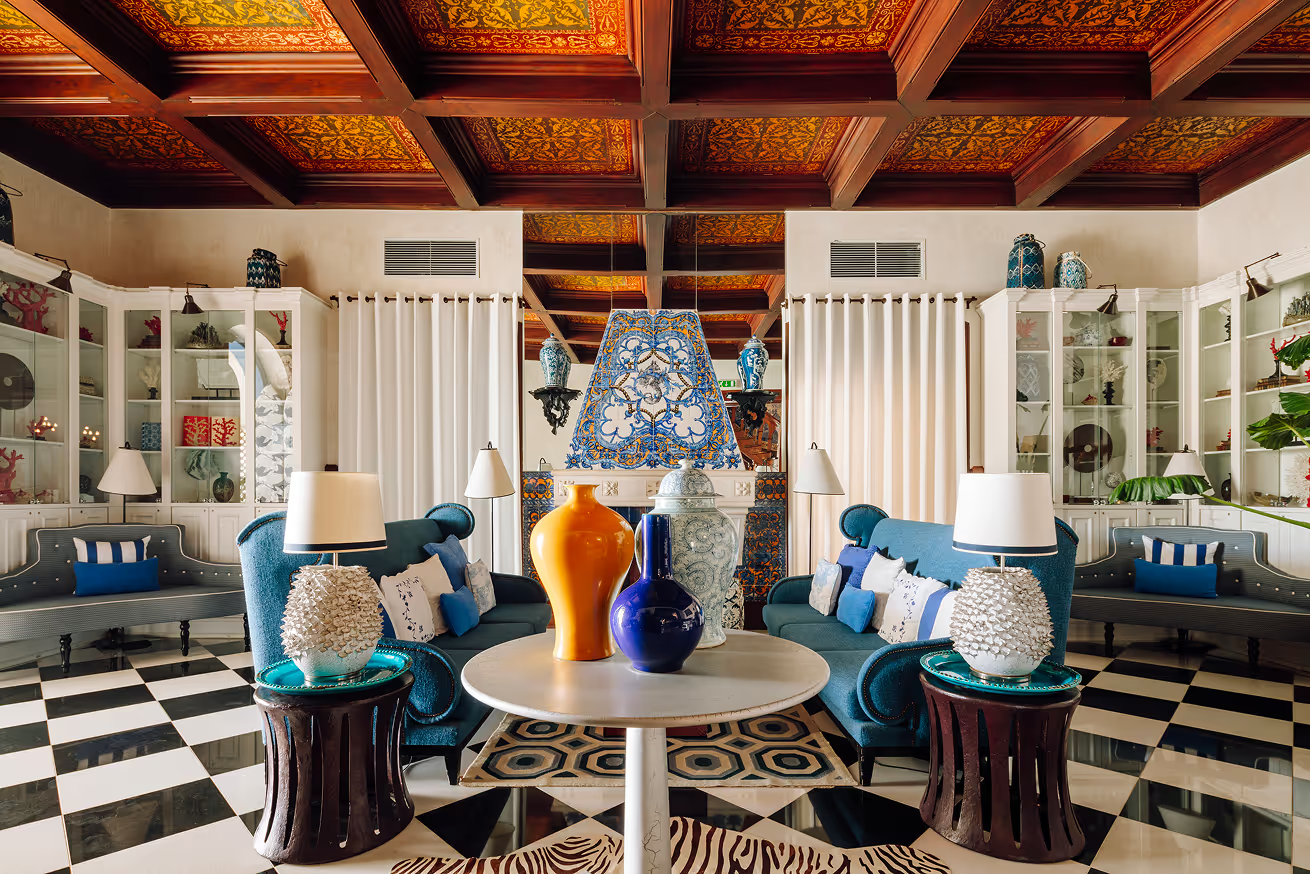
Dating from 1918, the Palacete is the beating heart of Bela Vista. The original structure was kept intact with only what was needed to keep breathing in the present. Its style blends Portuguese heritage with gentle oriental echoes, mixing warm tones, deep blues and subtle golden details. Nothing is accidental and nothing is repeated. The old and the modern speak to each other as if it had always been this way.
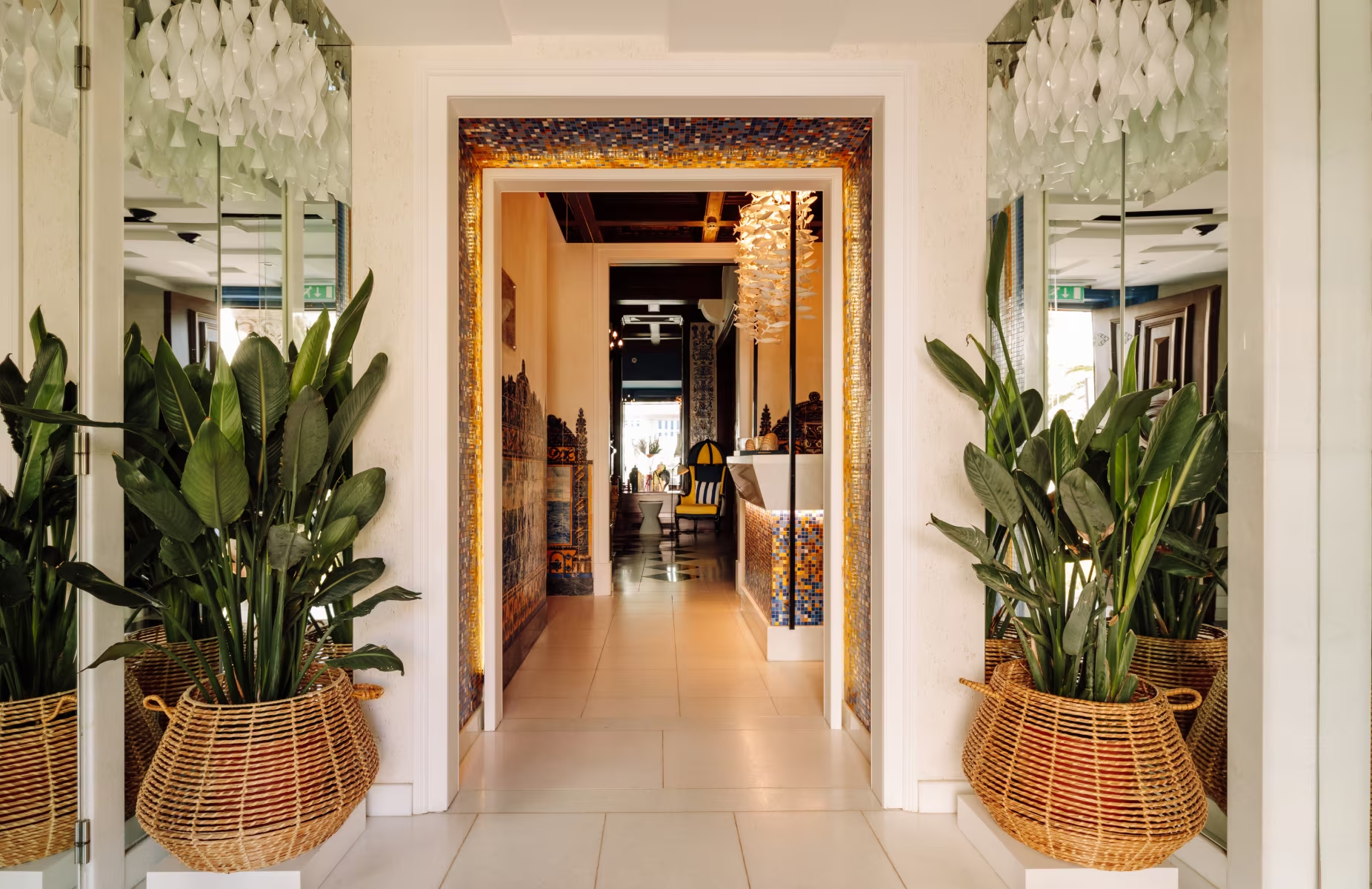
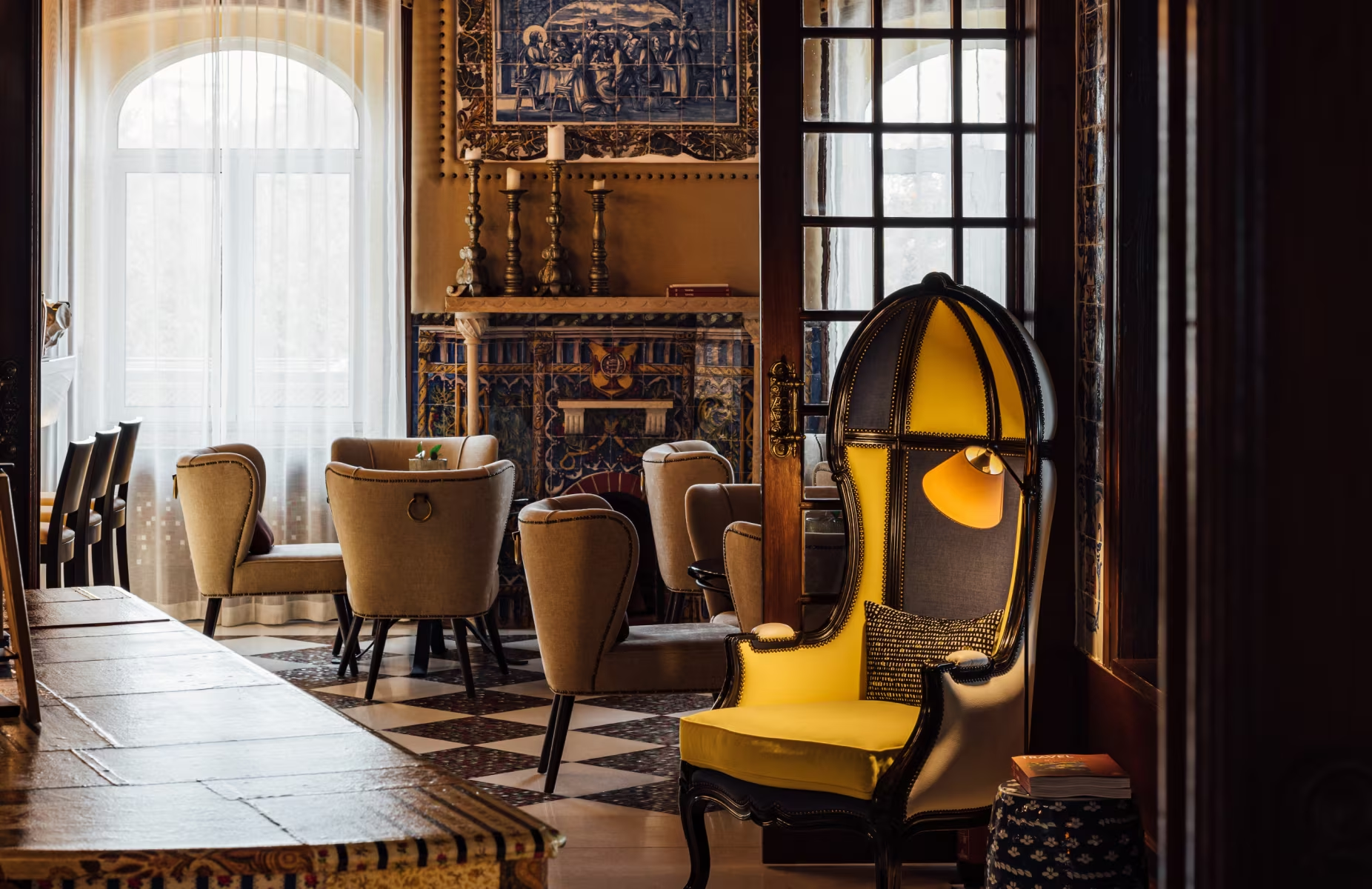
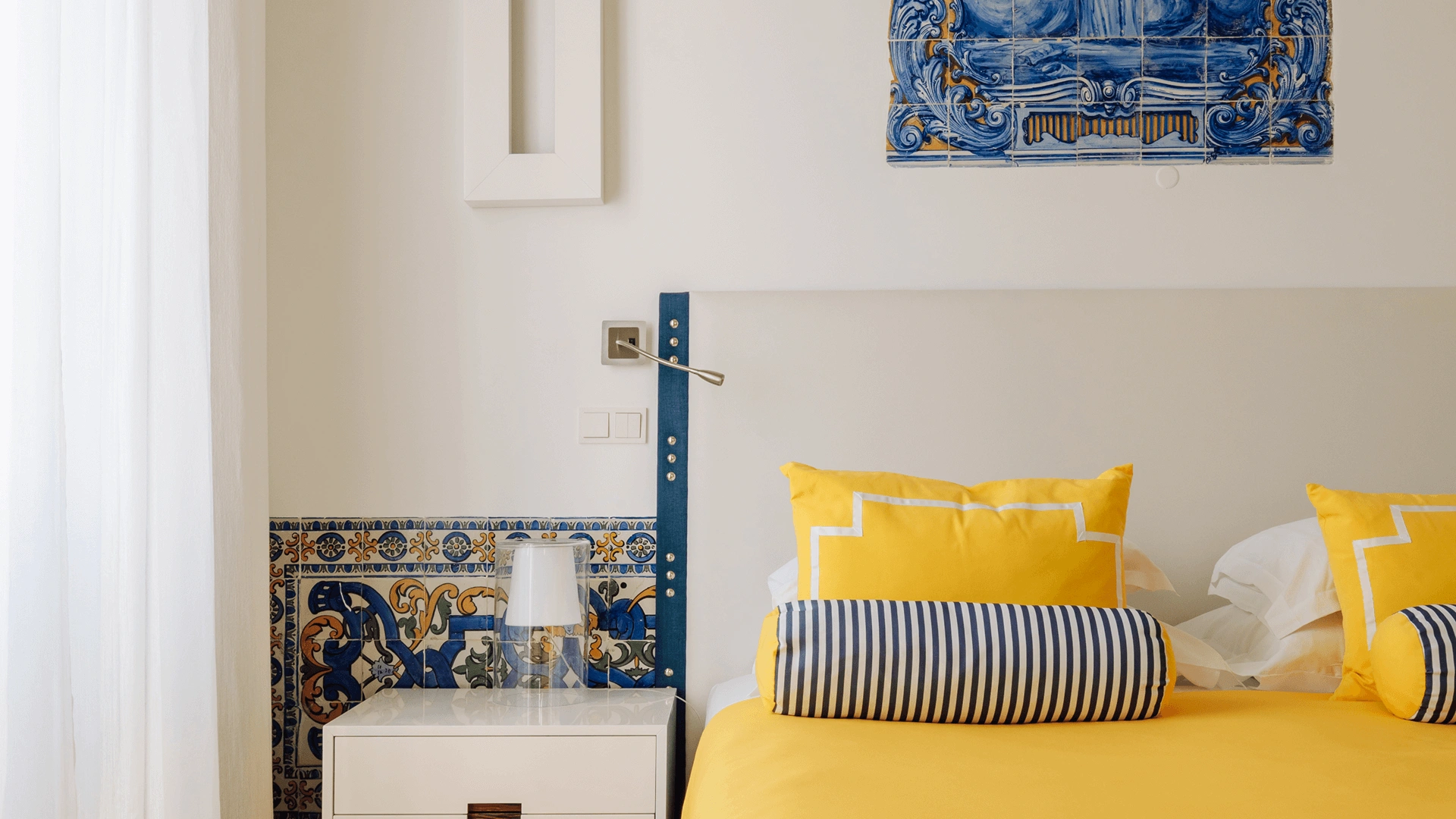
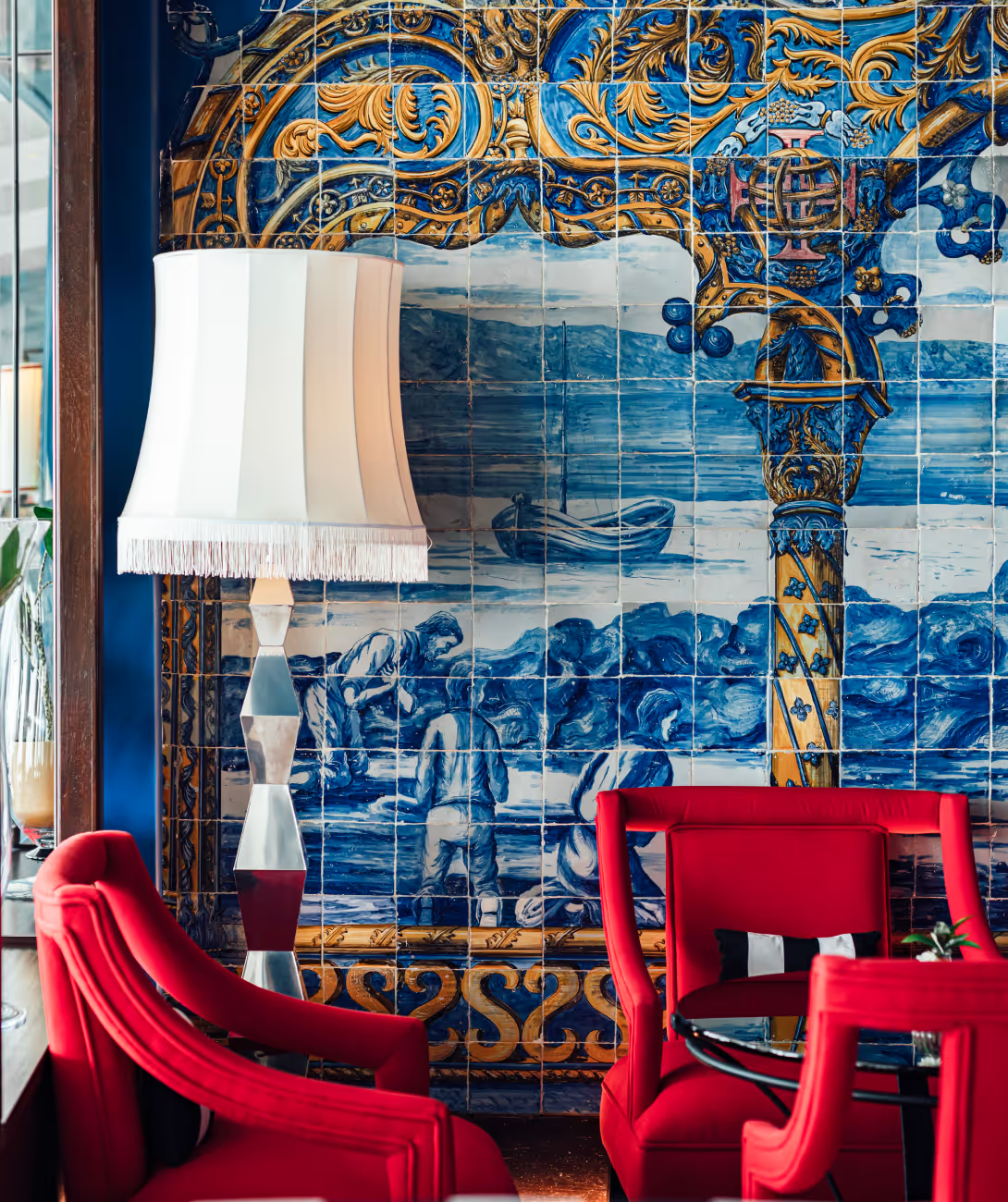
Between the living room and the staircase lies the most symbolic space of the Palacete, the Foyer of Tiles. Covered with original panels from the early twentieth century, it tells episodes from The Lusiads and celebrates the era of the Discoveries.
Each tile is authentic. The colours continue into the textiles and the shapes of the furniture, creating a continuous dialogue between the floor, the wall and the light. The result is an unexpected yet harmonious balance between the classical and the contemporary where the modern reflects itself in the past.
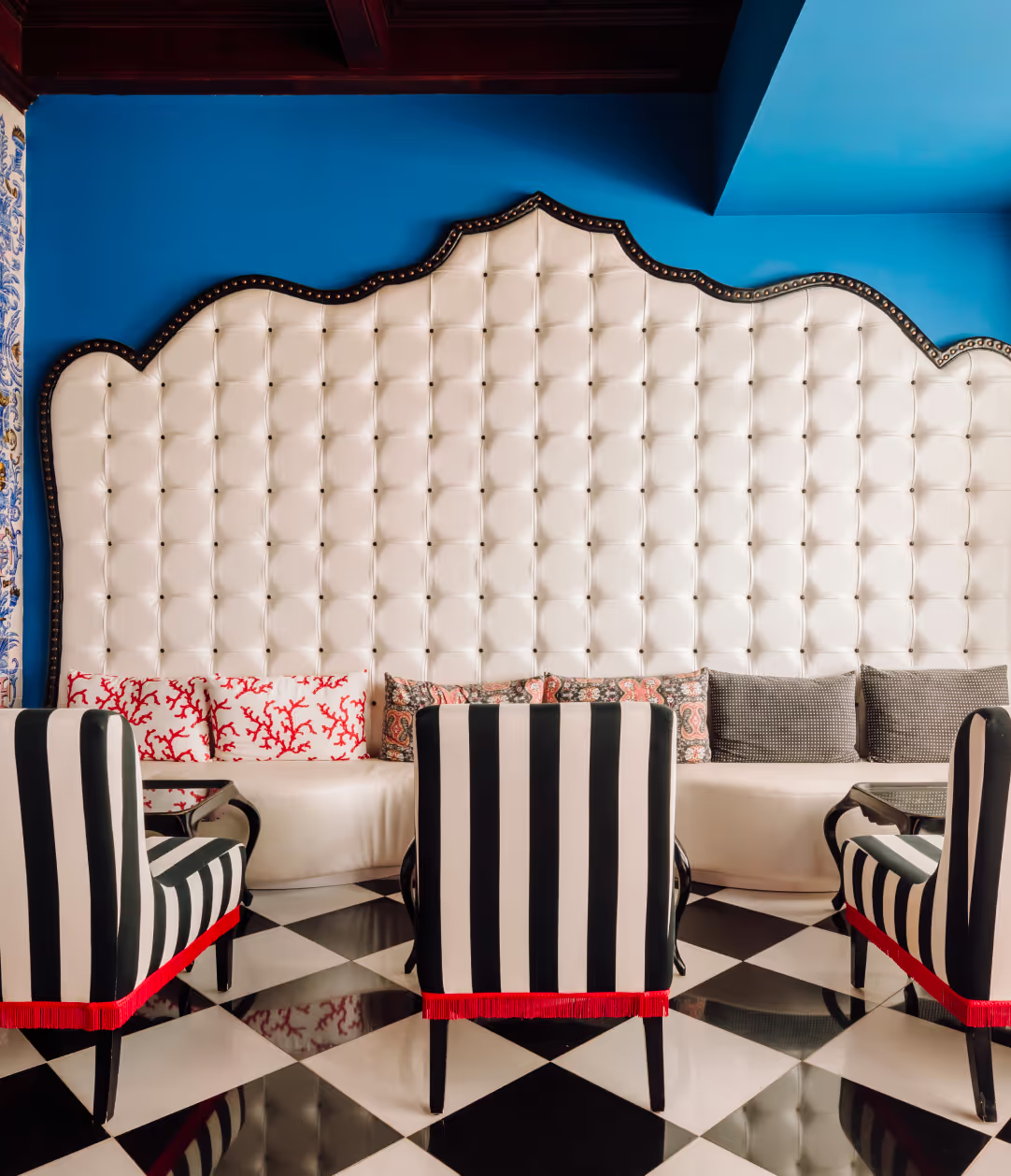
Between time and the sea.
Awards that define
our journey








Frequently
Asked Questions
What is the history of Bela Vista Hotel & Spa?
Bela Vista Hotel & Spa was originally built in 1918 as a private summer residence named Vila Nossa Senhora das Dores, perched on the cliffs of Praia da Rocha in Portimão. Conceived by António Júdice de Magalhães Barros, a noble-born industrialist, the house was designed as a place of contemplation between the sea and time.
Over the decades, the villa evolved into Hotel Bela Vista, becoming one of the first charming hotels in the Algarve, admired for its romantic architecture, Atlantic views, and refined atmosphere.
When was Bela Vista built?
The Palacete at the heart of Bela Vista dates back to 1918. Its inauguration was attended by President Sidónio Pais, marking one of the final official visits he made to the Algarve before his assassination later that same year.
What makes the Palacete at Bela Vista so unique?
Dating from 1918, the Palacete is the beating heart of Bela Vista. Its original structure has been carefully preserved, with only what was necessary restored to allow the building to continue breathing in the present. The style blends Portuguese heritage with subtle oriental influences, combining warm tones, deep blues and delicate golden details.
Nothing here is accidental, and nothing is repeated. The old and the modern speak to each other in a natural dialogue, as if it had always been this way.
How did Bela Vista become a hotel?
After a period of abandonment in the 1920s, the villa was transformed into a hotel between 1934 and 1936 by Henrique Bívar de Vasconcelos. Hotel Bela Vista quickly became a refuge for aristocrats, artists and intellectuals, known for its romantic Neo-Manueline architecture and sweeping ocean views.
What makes Bela Vista a Relais & Châteaux property?
Bela Vista Hotel & Spa is a Relais & Châteaux property because it embodies the core values of the association: authenticity, heritage, sense of place, gastronomy, and the human touch. Set within a historic 1918 palacete overlooking the Atlantic, Bela Vista offers an intimate scale, refined service, and a strong connection to Portuguese culture and craftsmanship. Its Michelin-starred gastronomy, commitment to local traditions, and personalized guest experience fully align with the Relais & Châteaux philosophy of meaningful luxury.
What is the philosophy of Bela Vista?
The philosophy of Bela Vista is rooted in balance: between past and present, discretion and emotion, preservation and renewal. Born as a private home, Bela Vista has never lost its residential soul. Luxury here is expressed through authentic materials, natural light, human connection, and a deep respect for history. Every detail is designed to feel intuitive rather than imposed, allowing guests to experience comfort, exclusivity, and a genuine sense of belonging.
How does Bela Vista combine heritage and modern luxury?
Bela Vista combines heritage and modern luxury through a carefully balanced restoration approach. The original architectural structure, azulejos, stained glass, and historical elements have been preserved, while contemporary comfort has been seamlessly integrated through modern amenities, refined design, and updated hospitality standards. The result is a space where history is not frozen in time, but continues to evolve naturally, allowing modern luxury to coexist harmoniously with a century-old legacy.